15 Garden Border Ideas to Instantly Transform Your Outdoor Space
A beautiful garden border does more than separate flower beds from the lawn—it adds structure, enhances curb appeal, and gives your landscape a polished look.
Whether you love a rustic cottage garden or a sleek modern yard, the right border can completely change the feel of your outdoor space.
Here are seven inspiring 15 garden border ideas that are both practical and beautiful.
1. Classic Brick Garden Border


Brick borders are a timeless choice that suits almost any garden style. They create crisp, defined edges while keeping mulch and soil neatly contained. Lay bricks flat for a clean, traditional appearance or angle them into a decorative sawtooth pattern for extra charm.
Brick borders pair beautifully with colorful flowers like roses, lavender, and hydrangeas, adding elegance that lasts for years with very little maintenance.
2. Natural Stone Garden Border


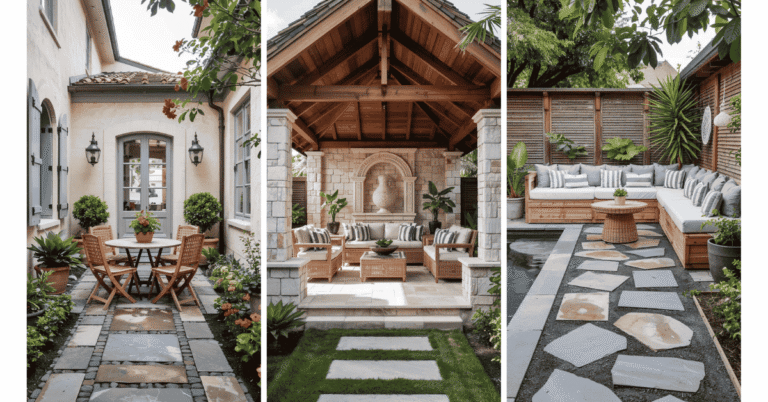
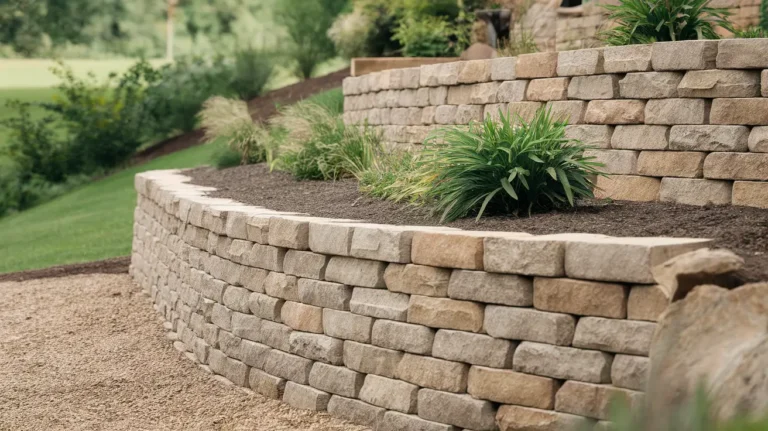
Natural stone borders bring a relaxed, organic feel to your landscape. Their irregular shapes and earthy colors blend seamlessly into cottage gardens, woodland landscapes, and backyard retreats.
Mix stones of different sizes to create a border that looks naturally formed while helping define planting beds and pathways.
3. Wooden Log Border


Wooden logs create a warm, rustic border that’s perfect for cottage gardens or natural landscapes. Whether you use short timber rounds or split logs, the wood adds texture and charm while blending beautifully with surrounding greenery.
Seal treated wood properly to extend its lifespan and maintain its natural appearance.
4. Metal Garden Edging


For a clean and contemporary look, metal edging is hard to beat. Thin steel or aluminum borders create nearly invisible lines that define flower beds without distracting from the plants.
Metal edging is durable, weather-resistant, and ideal for modern gardens with minimalist landscaping.
5. River Rock Border


River rocks provide a low-maintenance border that adds natural texture and visual interest. Their smooth shapes and neutral colors complement flowers, shrubs, ornamental grasses, and water features.
Adding landscape fabric underneath helps prevent weeds while keeping the rocks looking tidy year after year.
6. Raised Garden Border with Sleepers


Wooden sleepers create raised garden borders that add both depth and dimension to your landscape. They’re ideal for sloped yards or for showcasing colorful flowers and shrubs at varying heights.
The clean lines also make gardens appear more organized while improving soil drainage for many plants.
7. Flower-Lined Garden Border


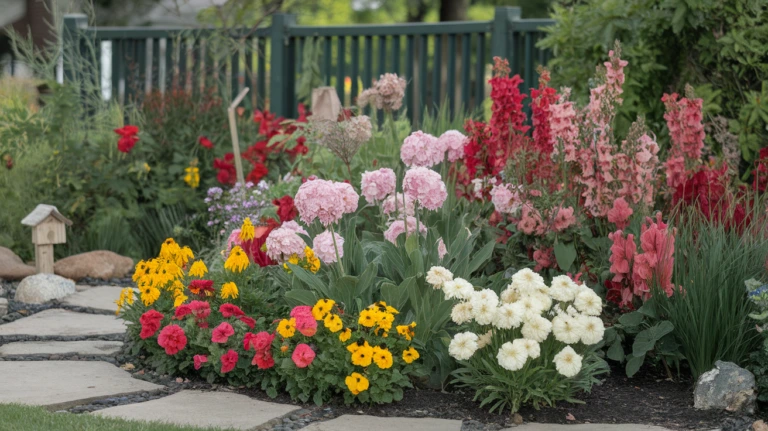
Sometimes the most beautiful border is created entirely with plants. Use low-growing flowers such as lavender, alyssum, marigolds, dianthus, or dwarf boxwood to form a vibrant living edge around pathways and garden beds.
Choose plants with staggered blooming seasons to enjoy color throughout spring, summer, and fall while attracting butterflies and pollinators.
8. Curved Paver Garden Border
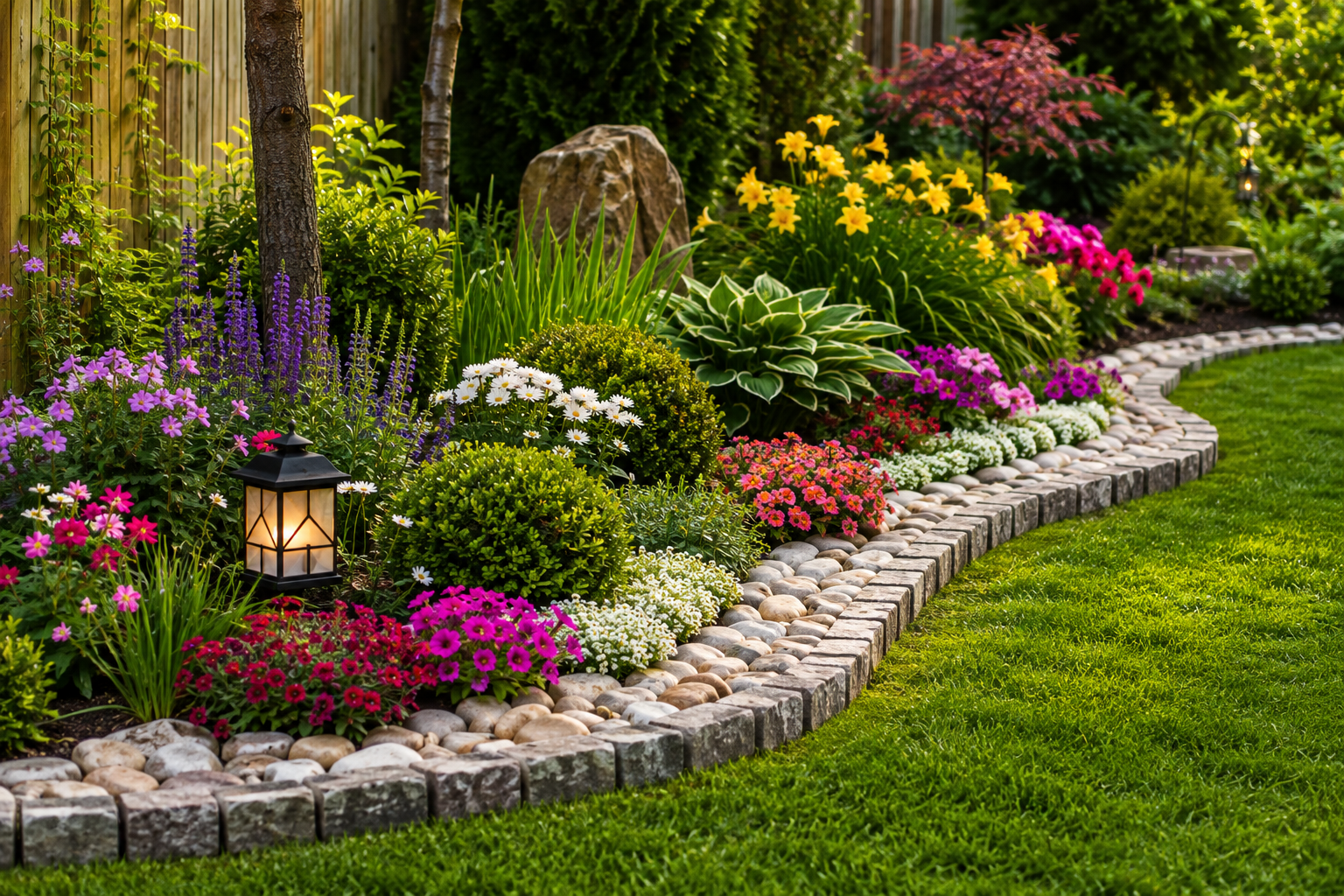
A curved paver border creates a soft, flowing transition between your lawn and flower beds. Unlike straight edging, gentle curves guide the eye through the garden and make the overall landscape feel more natural and inviting.
Choose pavers that complement nearby pathways or patios to create a coordinated look. Neutral beige, grey, and terracotta tones work especially well with colourful flowers and green foliage.
Curved paver edging is ideal for front gardens, landscaped lawns, and flower beds that already have an informal shape.
9. Gabion Garden Border
Gabion borders are created by filling sturdy wire cages with stones. They bring an attractive combination of natural texture and modern structure to the garden.
A low gabion wall can define a raised flower bed, separate a patio from a lawn, or create an impressive border beside a pathway. You can fill it with smooth river rocks, rough natural stones, or locally available materials to match your landscape.
This border style looks particularly striking in modern, industrial, and contemporary gardens.
10. Woven Willow Garden Border

A woven willow border adds handmade charm to cottage and countryside gardens. Flexible willow branches are woven between upright stakes to create a decorative fence around flower beds.
The warm, natural texture looks beautiful beside wildflowers, herbs, lavender, and leafy plants. Allow a few flowers to gently spill over the top for a softer, more romantic appearance.
You can keep the border low for subtle edging or make it taller to contain raised planting areas.
11. Recycled Mosaic Border

Turn broken tiles, leftover ceramics, terracotta pieces, and decorative stones into a colourful mosaic garden border. This is an excellent way to give unused materials a new purpose while creating something completely unique.
Combine patterned and solid-coloured tiles for a playful appearance, or stick to two or three coordinating shades for a more polished design. Blues and whites can create a coastal feel, while warm orange, yellow, and red tiles bring Mediterranean character.
A mosaic border works especially well around raised beds, patios, courtyards, and small urban gardens.
12. Rustic Branch Garden Border

Branches collected during routine garden pruning can be transformed into an attractive rustic border. Weave thinner branches around wooden stakes or stack thicker pieces neatly along the edge of a flower bed.
This idea blends naturally with woodland gardens and informal backyards. Its handmade appearance looks especially charming beside ferns, wildflowers, ornamental grasses, and shade-loving plants.
Keep the shape slightly irregular to preserve its relaxed, organic character.
13. Double-Layer Brick Border
A double-layer brick border provides more visual impact than a single row of bricks. The additional layer creates depth and makes the edge feel more substantial, which is helpful when separating thick lawns from heavily planted beds.
Use matching bricks for a traditional look or combine two complementary tones for added contrast. The border can follow a straight line for a formal garden or curve around plants for a softer design.
This style pairs beautifully with mulch-filled beds, ornamental grasses, flowering shrubs, and neatly maintained lawns.
14. Woven Border Along a Gravel Path

Combining woven edging with a gravel path creates a warm and welcoming garden walkway. The branches help visually separate the planting areas from the path while reinforcing the garden’s natural style.
Use the border around herb gardens, vegetable beds, or cottage-style flower beds. The contrast between smooth stones, rustic branches, and lush greenery adds layers of texture without making the space feel overly designed.
A gently winding path can make the finished garden feel even more relaxing and immersive.
15. Decorative Tile Garden Border

Decorative tiles can transform a simple flower-bed edge into an artistic garden feature. Place tiles upright to display their patterns, or combine them with bricks and stones for a creative mixed-material border.
Moroccan-inspired patterns, floral designs, and colourful mosaic tiles are perfect for gardens that need more personality. For a more subtle appearance, choose repeating tiles in muted blue, green, cream, or terracotta shades.
This idea works particularly well in courtyard gardens, beside patios, or around small flower beds where the details can be easily appreciated.
Final Thoughts
The perfect garden border combines beauty with functionality. Whether you prefer classic brick, rustic wood, elegant stone, sleek metal, decorative river rocks, raised sleepers, or colorful flowering plants, the right border can completely transform your outdoor space.
Start with the style that best matches your landscape, and you’ll create a garden that’s organized, inviting, and worthy of saving to every Pinterest board.