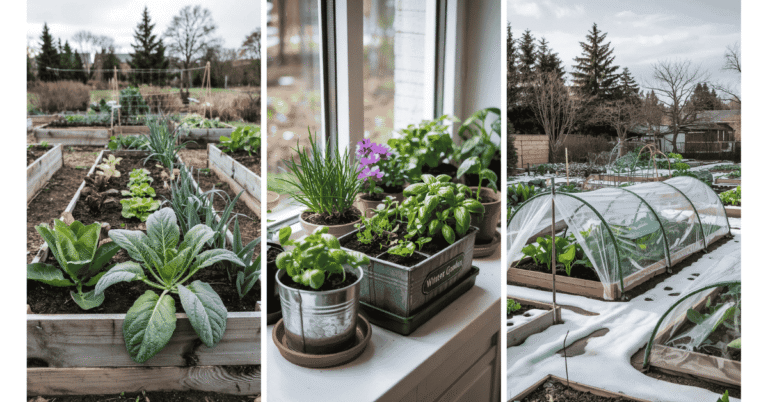
15 Pollinator Garden Ideas for a Buzzing Backyard
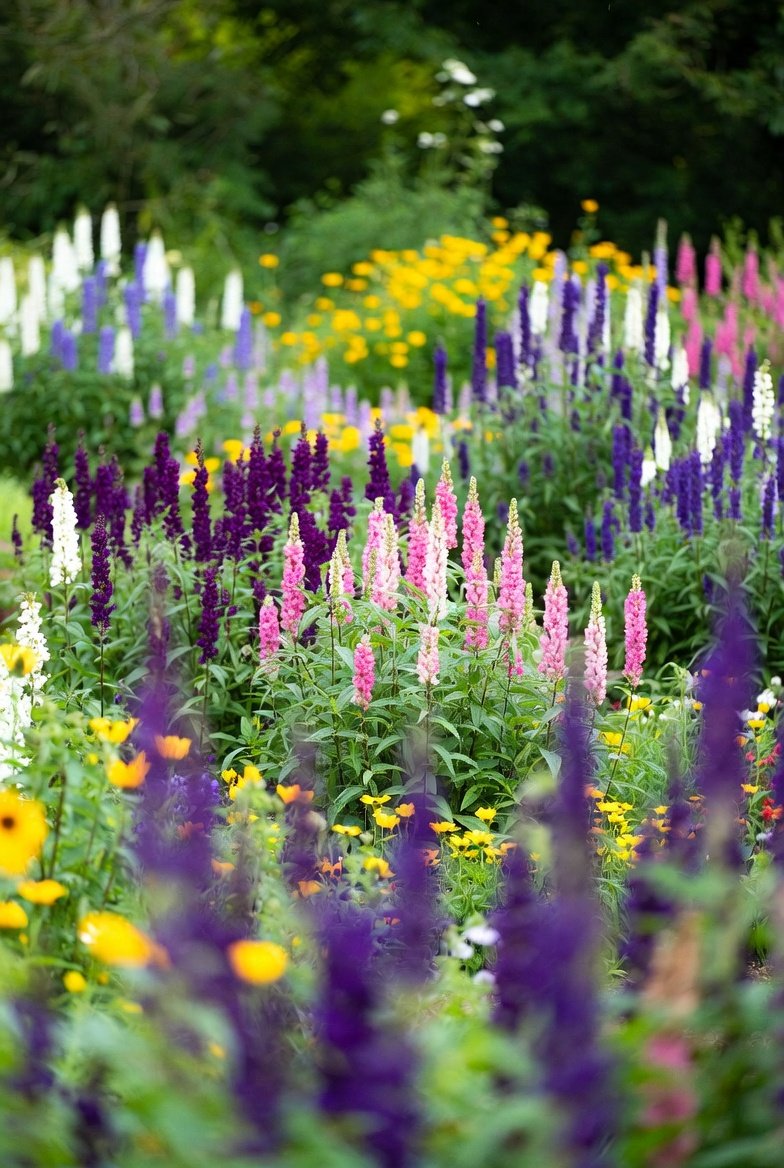
I believe that creating a pollinator garden is one of the most rewarding ways to use outdoor space. Not only do you get to enjoy beautiful blooms, but you also provide essential habitat for bees, butterflies, and hummingbirds.
These tiny creatures play a huge role in our ecosystem, helping to pollinate the food crops we rely on.
In this guide, I’ll share 15 creative ideas to help you design a pollinator-friendly haven right in your own backyard.
Whether you have acres of land or just a small balcony, you can make a real difference. Let’s dig in and bring some life to your garden!
1. Plant Native Wildflowers
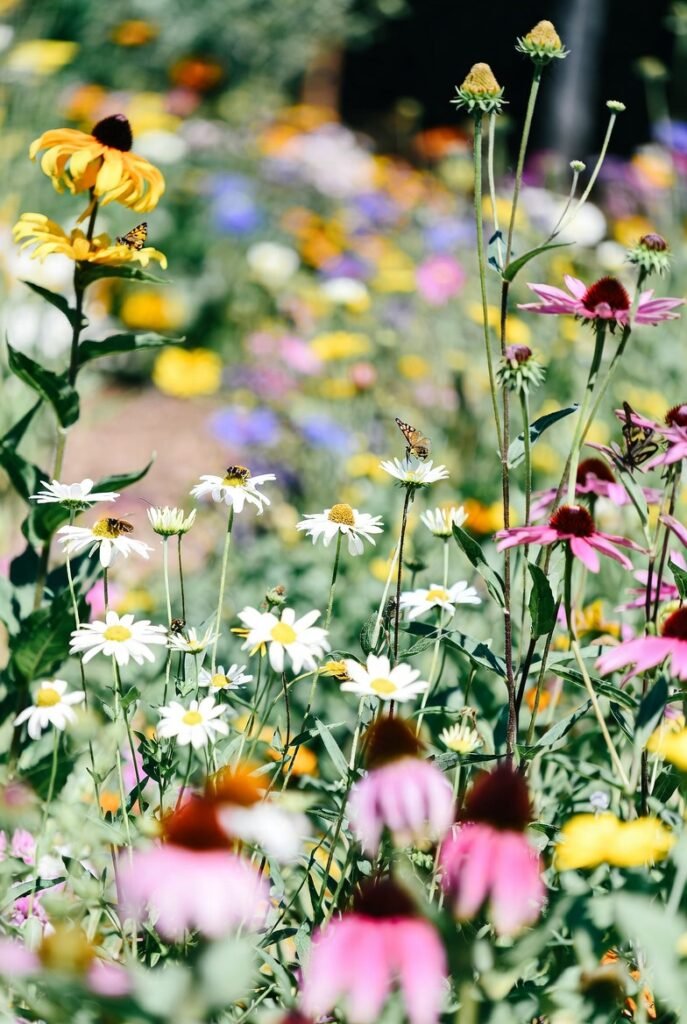
I always recommend starting with native plants because they are perfectly adapted to your local climate and soil. Local pollinators have evolved alongside these plants, making them the most nutritious and reliable food source.
You can visit a local nursery to find a wildflower mix specific to your region.
Scattering these seeds in a sunny patch creates a low-maintenance, colorful buffet that bees and butterflies will flock to throughout the season.
2. Create a Butterfly Puddling Station
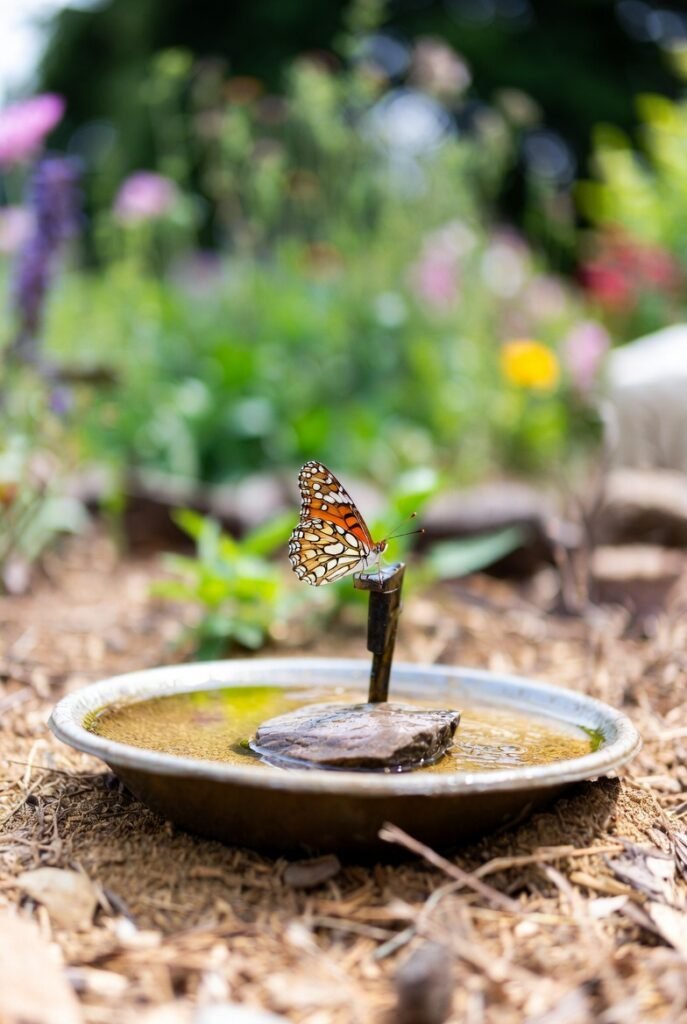
Butterflies need minerals just as much as they need nectar. I love adding a puddling station to the garden because it’s simple yet incredibly effective.
You just need a shallow dish filled with sand or soil and a few flat stones. Keep the sand moist, and watch as butterflies land to sip water and extract vital salts. It’s a fascinating behavior to observe up close.
3. Build a Bee Hotel
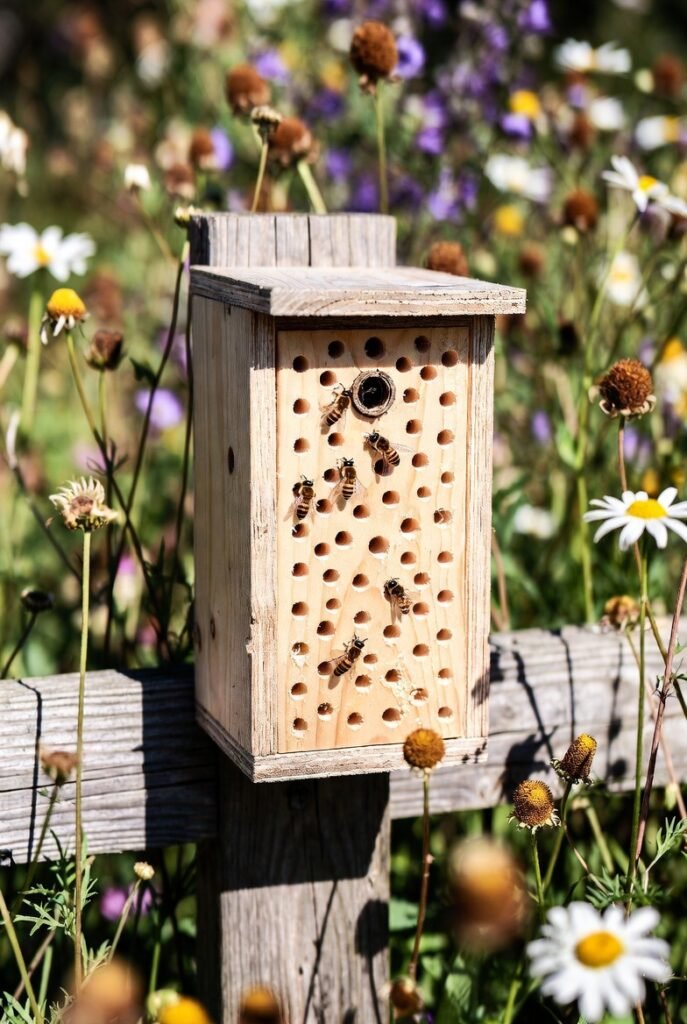
Solitary bees don’t live in hives; they nest in tiny holes in wood or reeds. I found that installing a bee hotel is a great way to support these non-aggressive, super-pollinators.
You can buy one or build your own by drilling holes into a block of untreated wood. Mount it on a sunny fence post or wall, and you provide a safe nursery for the next generation of bees.
4. Plant in Clumps
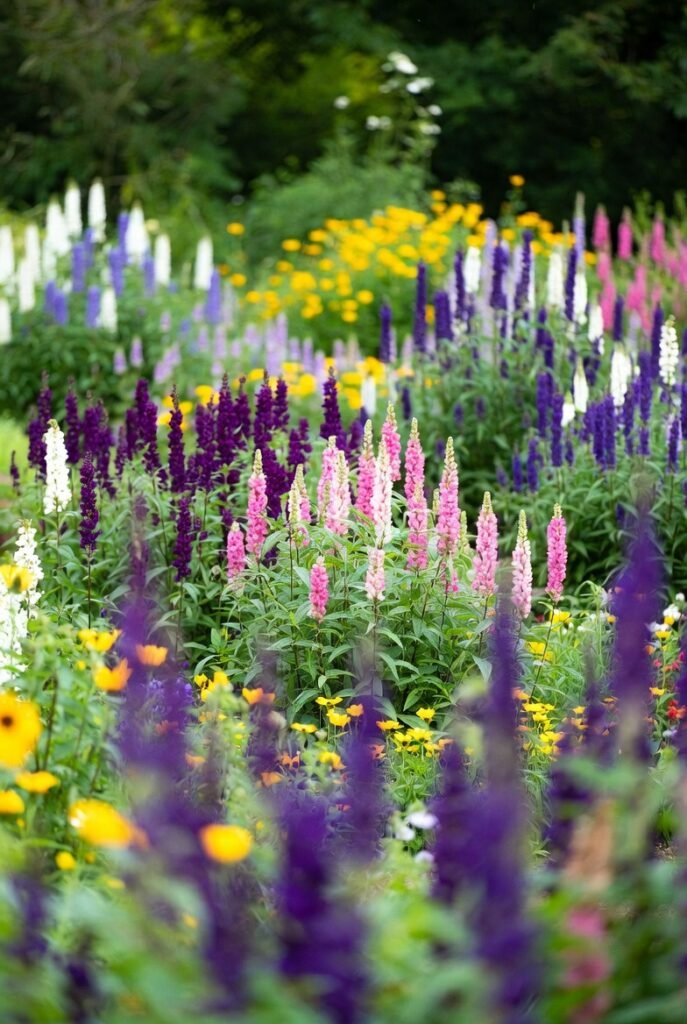
Pollinators prefer foraging efficiently rather than flying long distances between single flowers. I always plant my flowers in clumps of three or five to create a target that is easy for them to find.
This method also makes your garden look more designed and impactful. Large drifts of color catch the eye of passing insects much better than scattered individual plants.
5. Provide a Water Source
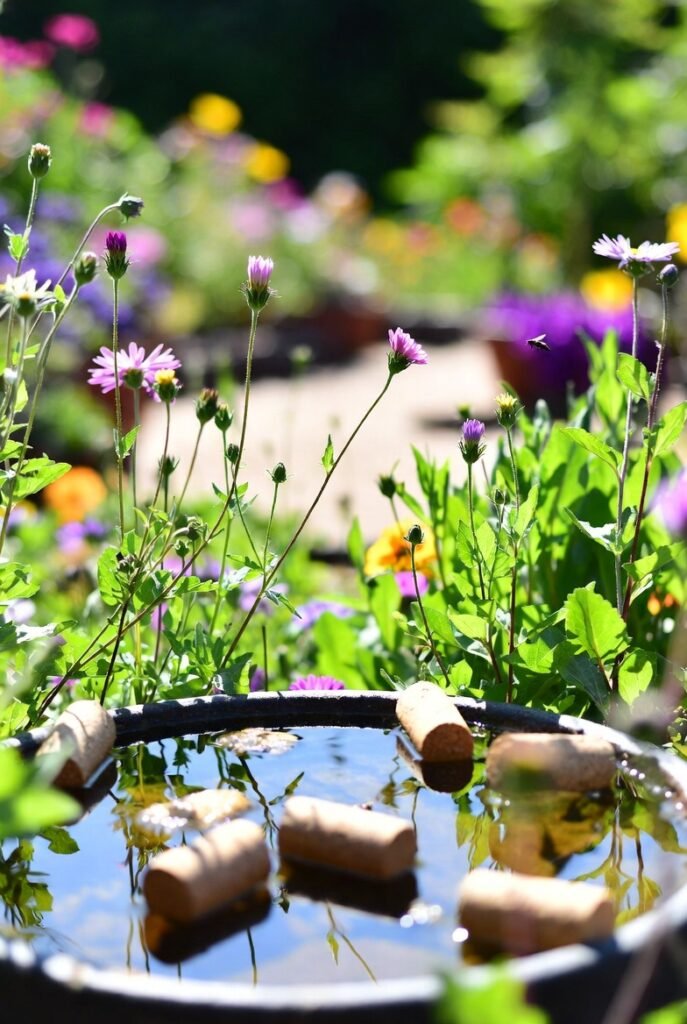
Bees need water to dilute honey, aid digestion, and keep their hives cool. I suggest placing a birdbath or a shallow bowl of water near your flower beds.
Make sure to add floating corks or stones to the water so the insects have a safe place to land without drowning. It’s a small detail that saves many lives during hot summer days.
6. Grow Herbs for You and Them
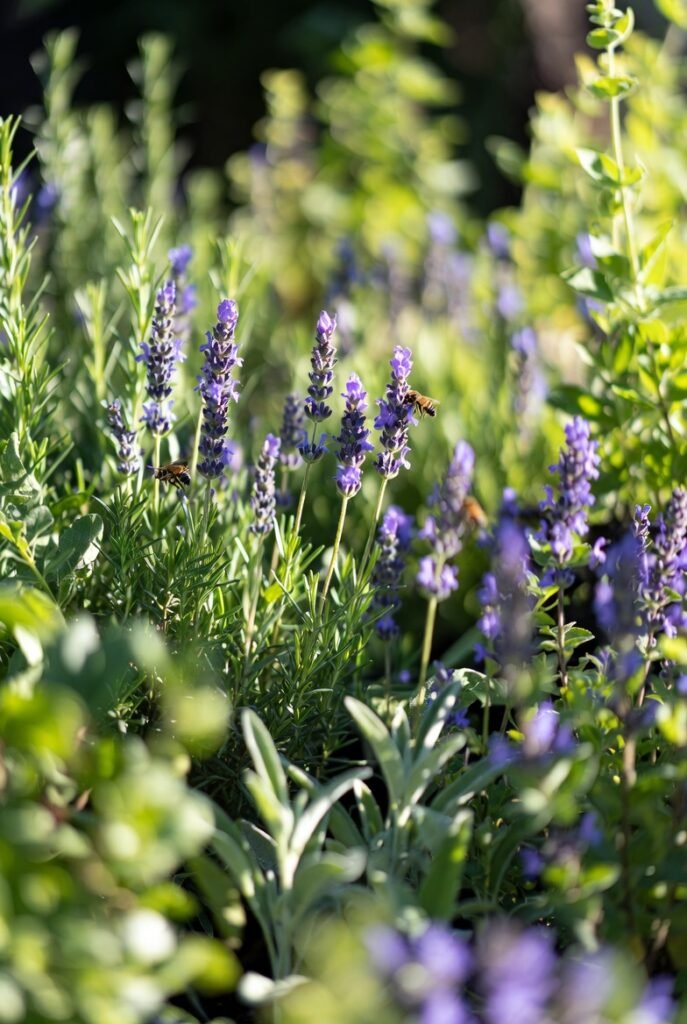
I let my herbs flower instead of harvesting all of them. Herbs like lavender, rosemary, sage, and oregano produce nectar-rich blossoms that bees absolutely adore.
This serves a dual purpose: I get fresh herbs for my kitchen, and the pollinators get a feast. Plus, flowering herbs add a wonderful fragrance to the garden air.
7. Skip the Pesticides
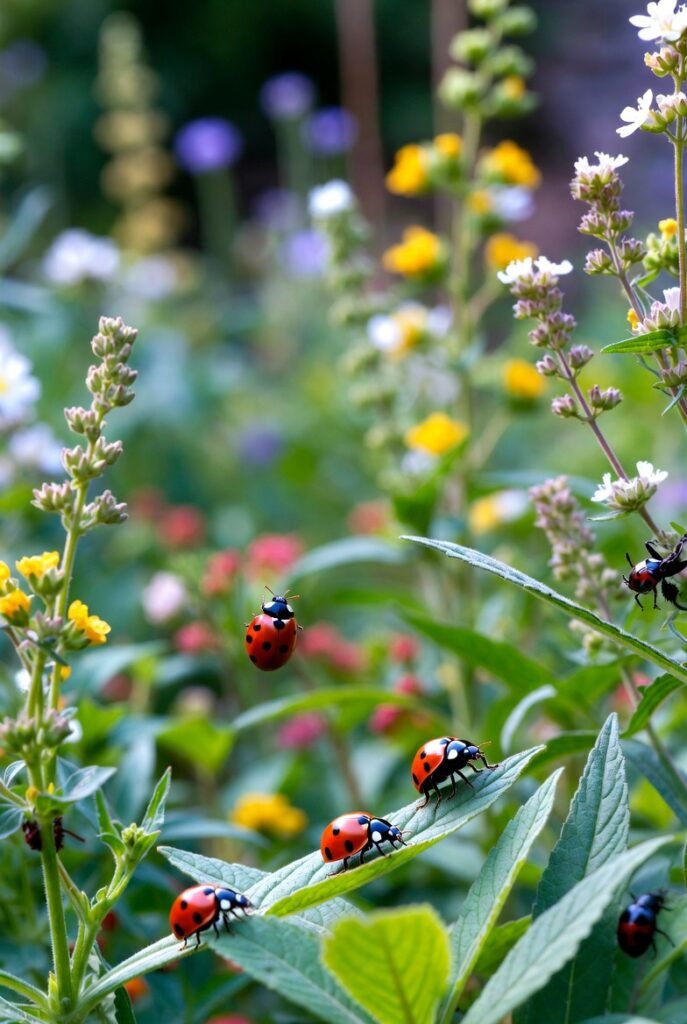
I cannot stress enough how important it is to avoid chemical pesticides. These chemicals can kill the very pollinators you are trying to attract.
Instead, I focus on natural pest control methods like encouraging ladybugs or hand-picking beetles. A healthy, diverse ecosystem usually balances itself out without the need for harsh chemicals.
8. Choose Plants with Different Bloom Times
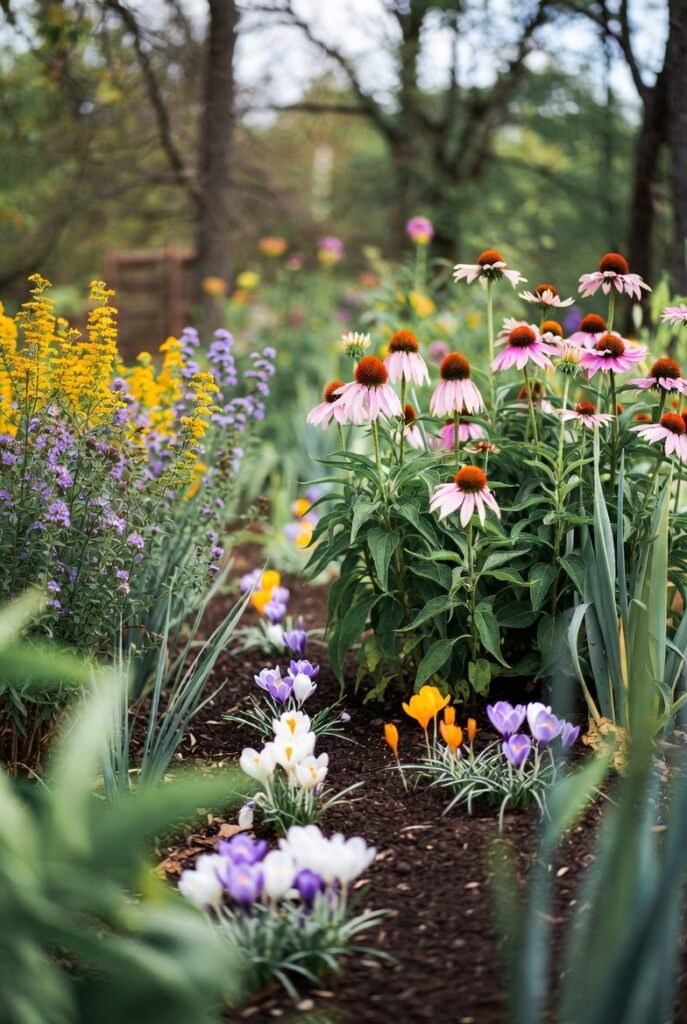
Pollinators need food from early spring through late fall. I plan my garden so that something is always in bloom, ensuring a steady food supply.
I plant bulbs like crocuses for early spring, coneflowers for summer, and asters or goldenrod for late autumn. This continuous bloom cycle supports pollinators during critical transition periods.
9. Leave Some Bare Ground
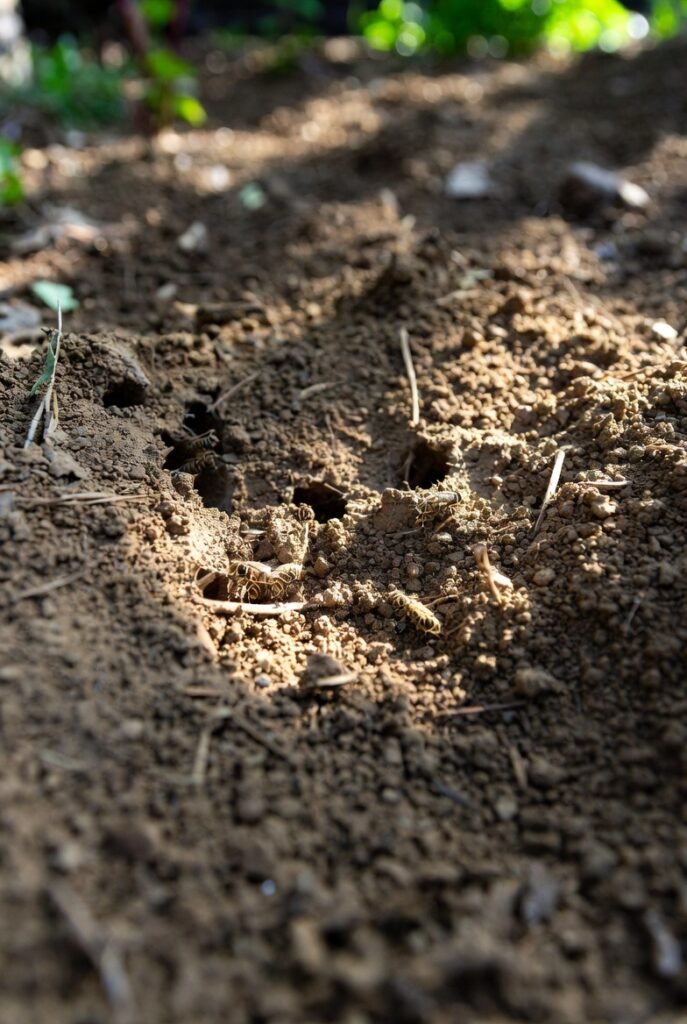
While mulch is great for retaining moisture, many native bee species build their nests underground. I leave a few sunny, undisturbed patches of bare soil for ground-nesting bees.
You don’t need a large area; just a few square feet in a quiet corner works wonders. It’s an easy “do nothing” approach that greatly benefits the bee population.
10. Plant Tubular Flowers for Hummingbirds
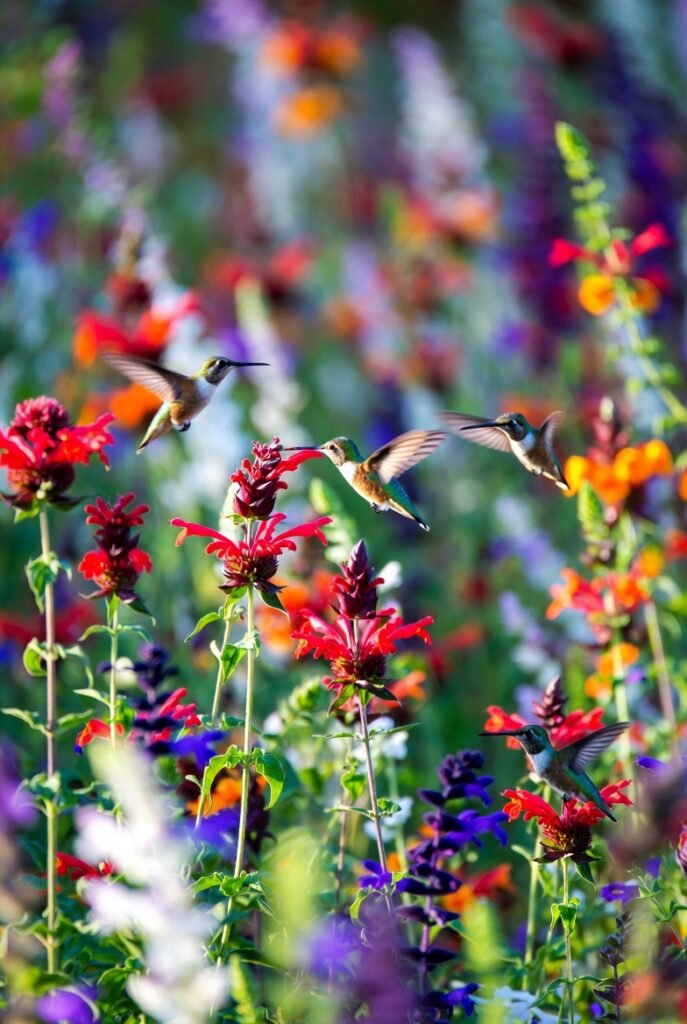
Hummingbirds have long beaks perfectly designed for tubular flowers. I include plants like bee balm, salvia, and trumpet vine to attract these energetic birds.
Red and orange flowers particularly catch their attention. Watching a hummingbird hover and feed is one of the most magical sights in a pollinator garden.
11. Add Night-Blooming Plants
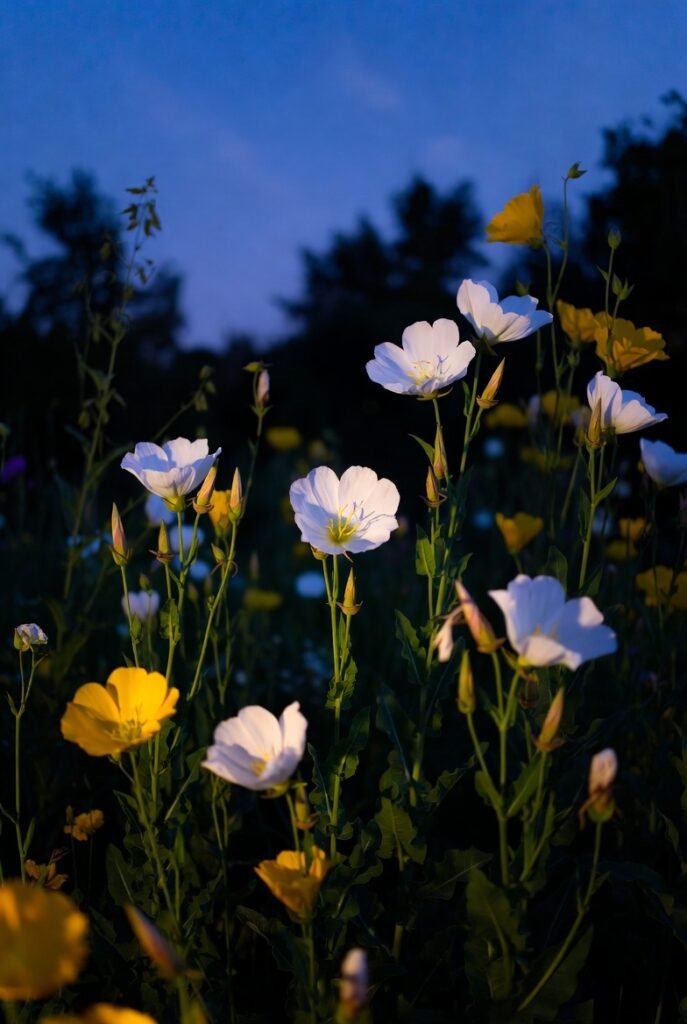
Moths and bats are pollinators too! I include evening primrose or moonflowers in my garden design to support these nocturnal visitors.
These plants usually open at dusk and release strong scents to attract night-flying insects. It adds a whole new dimension to the garden that you can enjoy in the evening hours.
12. Use Window Boxes and Pots
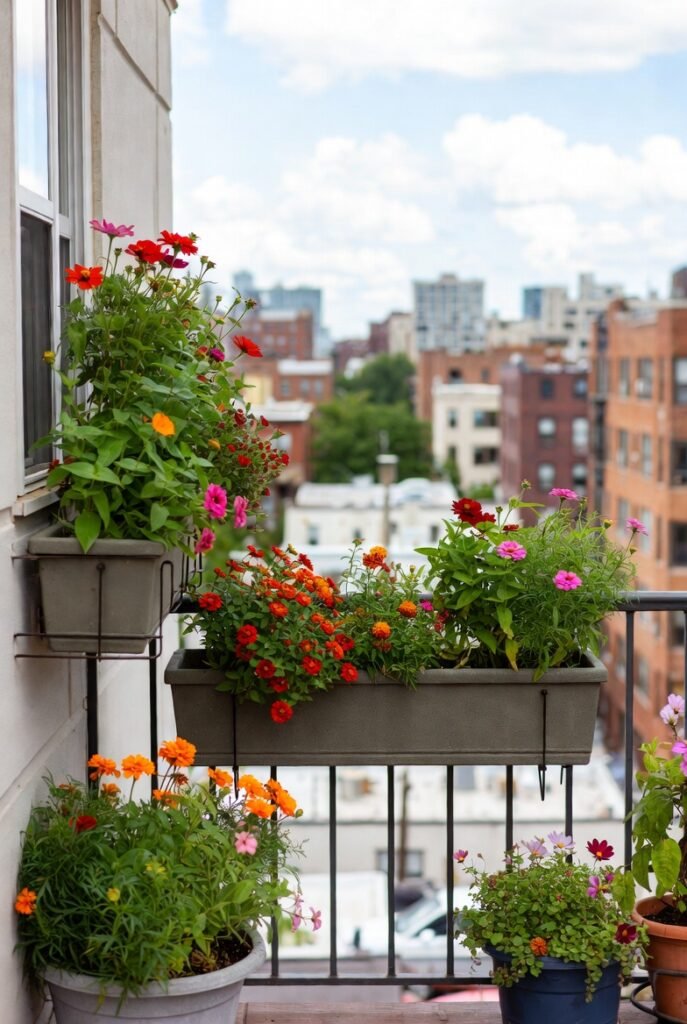
I don’t let a lack of yard space stop me. Window boxes and large pots filled with zinnias, marigolds, or cosmos act as mini service stations for pollinators in urban areas.
Even a small balcony on the fourth floor can attract bees if you plant the right flowers. Every pot counts when creating a green corridor through a city.
13. Leave the Leaves in Fall
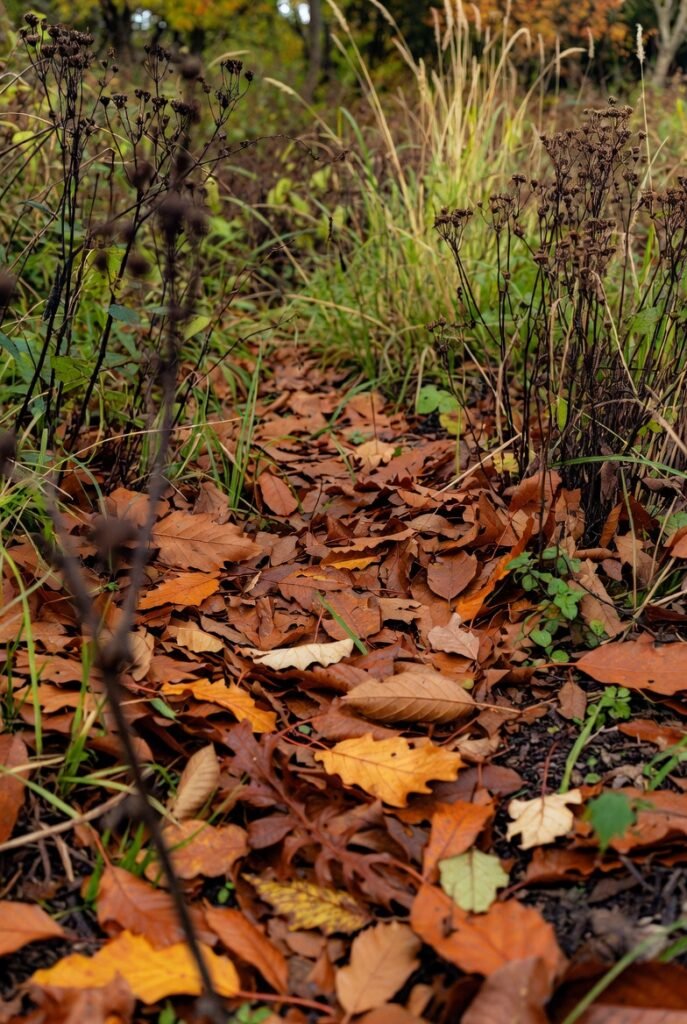
I resist the urge to clean up every single leaf in autumn. Many butterfly and moth caterpillars overwinter in fallen leaf litter.
By leaving a layer of leaves in your flower beds, you provide essential winter shelter. It’s less work for you and a lifeline for hibernating pollinators.
14. Plant Milkweed for Monarchs
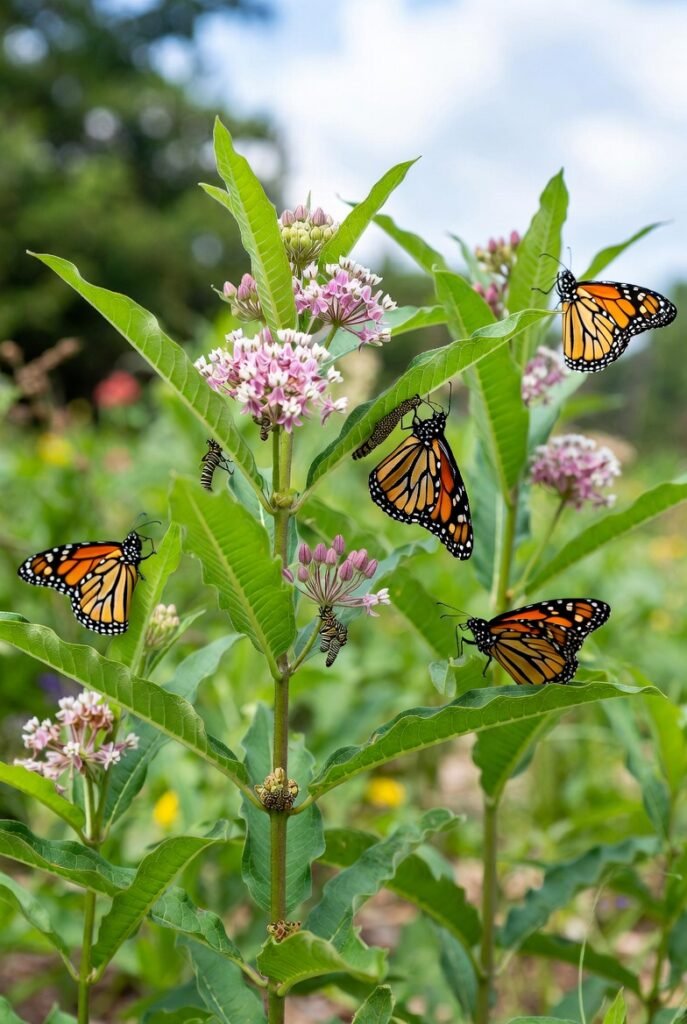
Monarch butterflies rely exclusively on milkweed to lay their eggs and feed their caterpillars. I plant native milkweed varieties to help support this endangered species.
Without milkweed, Monarchs simply cannot survive. Planting it is a direct action I take to help restore their dwindling populations during their incredible migration.
15. Create Vertical Layers
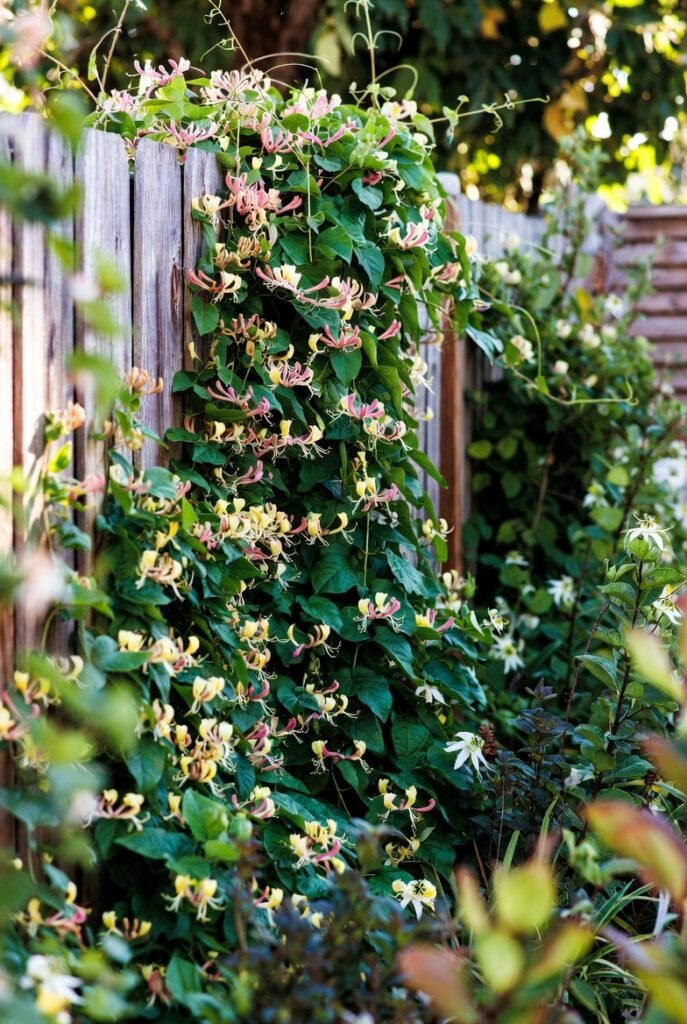
I utilize vertical space by planting flowering vines and shrubs. This creates different layers of habitat, offering shelter and food at various heights.
Vines like honeysuckle or passionflower can cover a fence, maximizing your garden’s surface area. It creates a lush, three-dimensional environment that supports more biodiversity.
Sum Up
Creating a pollinator garden connects you to the natural world in a profound way. I hope these ideas inspire you to grab a shovel and start planting. By making just a few small changes, you turn your outdoor space into a thriving sanctuary for nature’s hardest workers.
Ready to transform your backyard? Visit your local nursery this weekend and pick up your first tray of native wildflowers