17 Fun Paint Ideas to Brighten Up Your Child’s Room

When I think about decorating a child’s room, the first thing that comes to mind is color. The right paint can completely transform a space, turning it from just a room into a magical kingdom, a peaceful forest, or a vibrant art studio.
It’s about finding that perfect shade that reflects your child’s personality while creating a space they love to be in.
Picking a paint color can feel like a big decision, but it doesn’t have to be overwhelming. I’ve gathered 17 of my favorite paint ideas that are perfect for kids’ rooms.
Whether you’re looking for something bold and energetic or soft and calming, this list will give you the inspiration you need to create a fun and stylish space for your little one.
1. Go Bold with Navy Blue
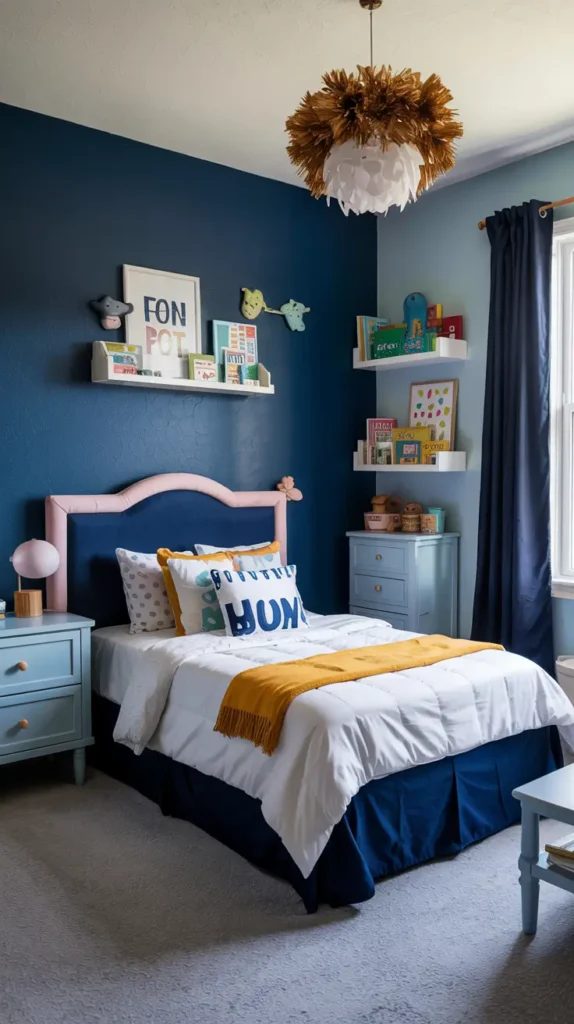
A deep navy blue wall can make a room feel sophisticated and cool. I love using it as an accent wall to create a focal point.
Navy is a rich, dark color, so I recommend pairing it with lighter tones like soft grays, crisp whites, or even a light powder blue. This contrast keeps the room from feeling too dark and makes other colors in the room pop. It’s a classic choice that can easily grow with your child from their toddler years into their teens.
2. Try a Timeless Powder Blue
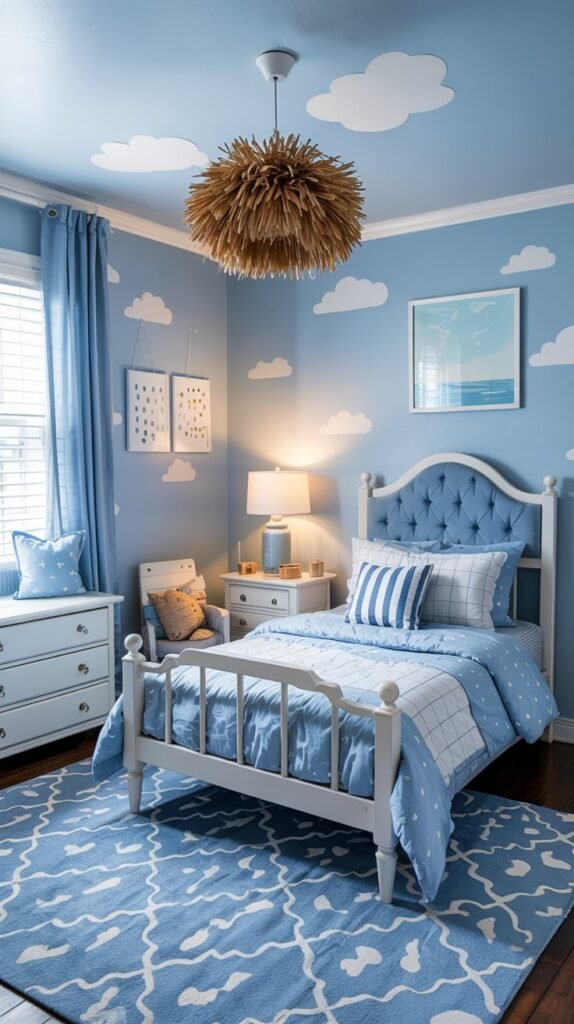
Powder blue is a lighter, airier take on the classic blue. It’s one of my go-to colors because it’s so versatile and creates a calm, serene atmosphere perfect for a bedroom.
You can paint the entire room in this gentle shade and it won’t feel overwhelming. It works well with a variety of themes, from nautical adventures to dreamy sky-scapes. I suggest pairing it with white furniture and decor for a clean, fresh look.
3. Connect with Nature with Forest Green
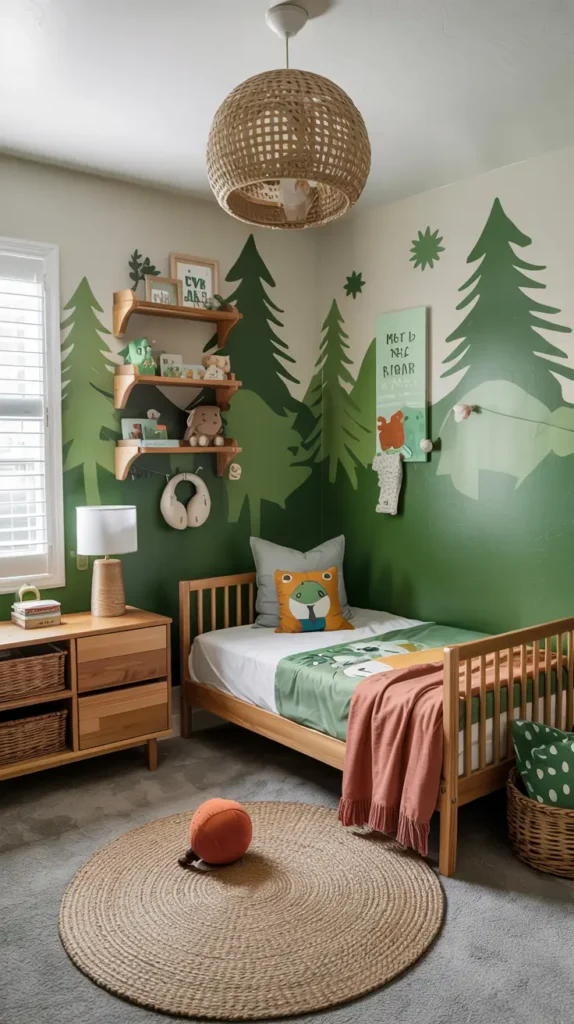
I love bringing the outdoors in, and a beautiful forest green is the perfect way to do it. This color is gender-neutral and gives a room a bright, natural feel.
It pairs wonderfully with wooden furniture and other earthy tones. If painting the whole room green feels like too much of a commitment, try it on a single accent wall or use it on the lower half of the walls with white wainscoting for a balanced look.
4. Keep it Classic with Black and White
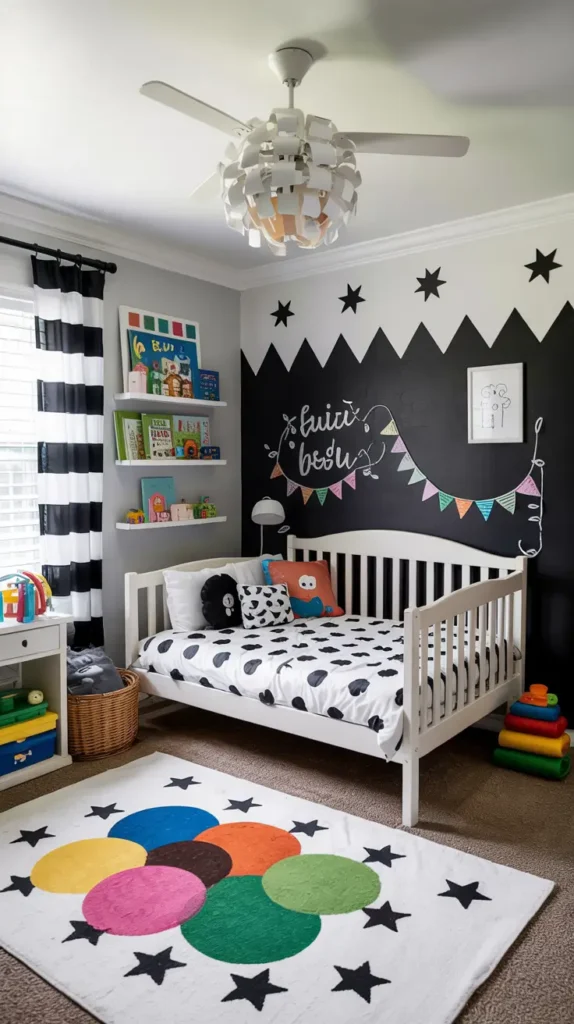
A black and white color scheme is surprisingly effective for a child’s room. It’s modern, chic, and creates a fantastic backdrop for colorful toys and decor.
I find that this timeless combination can adapt as your child grows and their interests change. You can create a striking look with a black accent wall, or use black chalkboard paint for a surface your kids can draw on. Pairing it with white walls keeps the space feeling open and bright.
5. Embrace Simplicity with Bright White
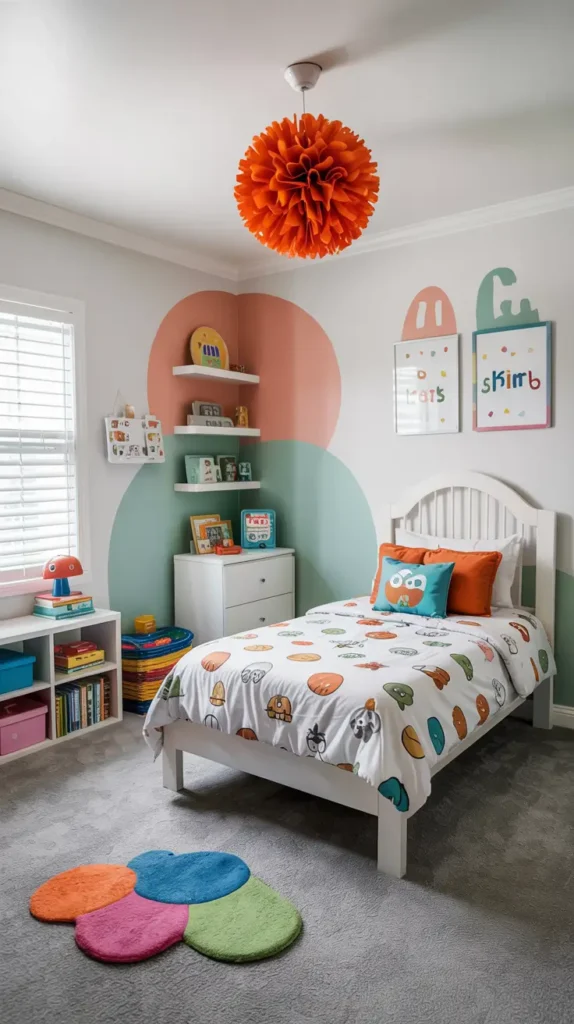
You can never go wrong with a crisp, bright white. It’s a fantastic choice for smaller rooms because it reflects light and makes the space feel larger and more open.
White walls provide a clean canvas that allows you to play with colorful furniture, bedding, and wall art. It’s a versatile backdrop that can easily be updated as your child’s style evolves.
6. Opt for a Versatile Beige
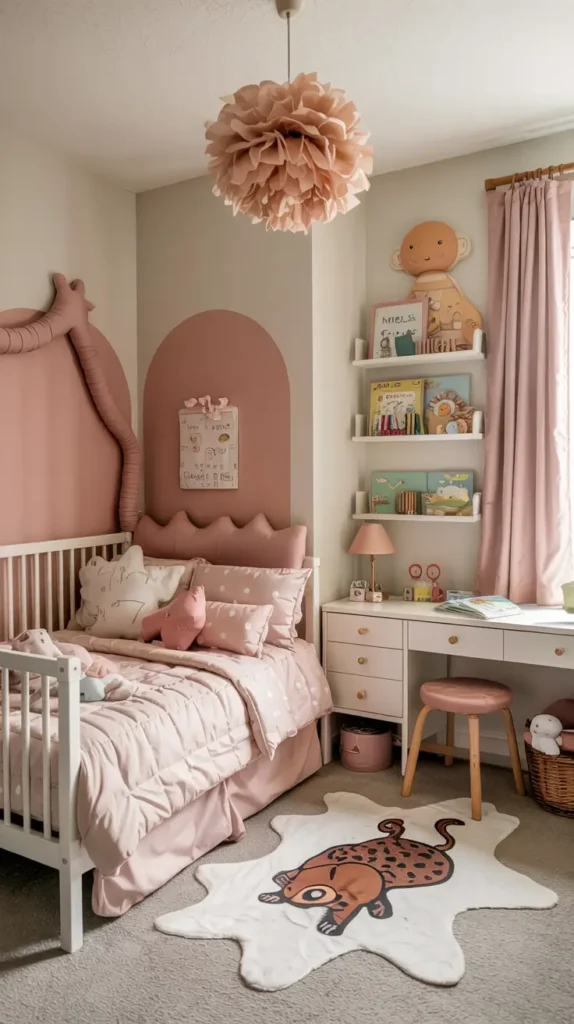
Beige is another wonderful neutral that works with almost any theme or color palette. It’s a warm and inviting color that creates a cozy atmosphere.
Whether you’re designing a princess-themed room or an animal-filled jungle, beige provides a calm background that lets other elements shine. It’s a safe and stylish choice that will stand the test of time.
7. Feel Royal with Lavender
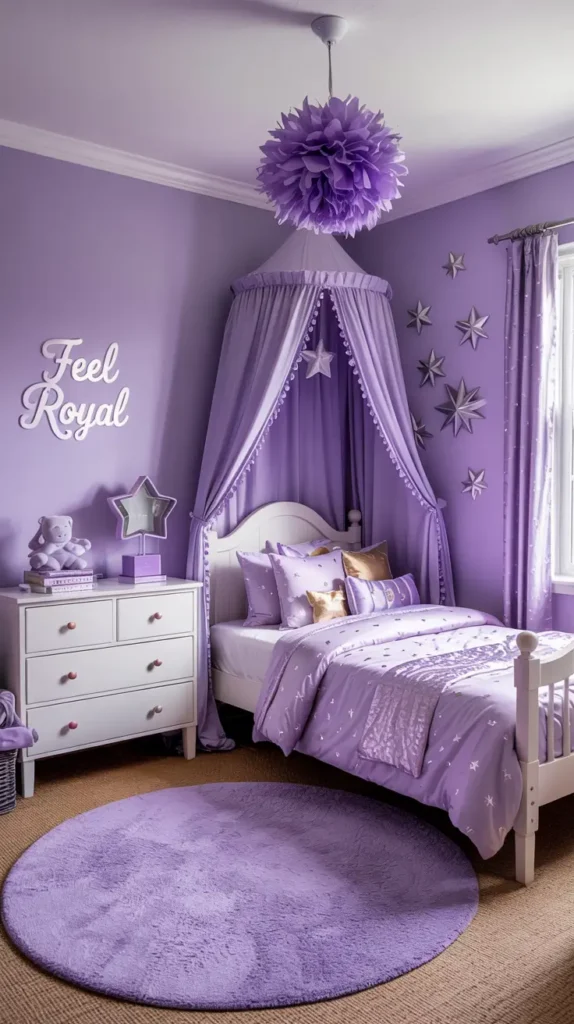
A soft lavender shade can make a room feel truly special and calming. It’s a gentle color that isn’t too overpowering, making it perfect for a peaceful bedroom retreat.
I love pairing lavender with white furniture and metallic accents like gold or silver for a touch of elegance. You can add star decals or a canopy to complete the magical look.
8. Use a Playful Pastel Pink

Pastel pink is a classic for a reason. It’s a sweet and charming color that adds a soft, warm glow to a room.
To keep it from feeling too overwhelming, I suggest using it on an accent wall or pairing it with neutral colors like gray or white. This creates a balanced look that is both playful and sophisticated.
9. Create a Monochromatic Look

Using different shades of the same color can create a surprisingly dynamic and stylish room. I find this works particularly well for built-in shelves or bunk beds.
For example, you could paint the walls a light blue and the bunk bed a deeper shade of blue. This monochromatic approach adds depth and interest to the room while maintaining a cohesive feel.
10. Make a Statement with Teal
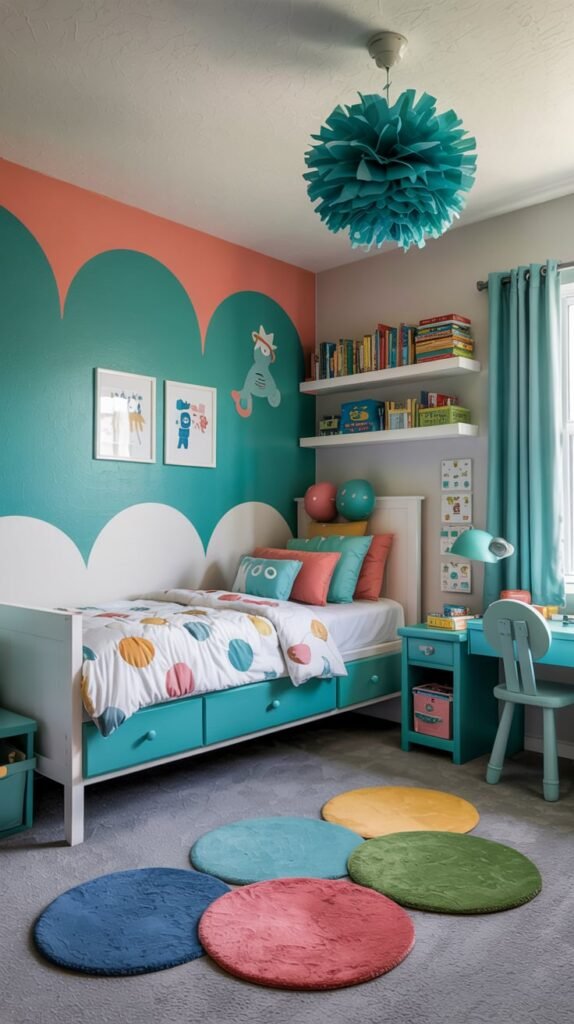
Teal is a bold and energetic color that can bring a lot of personality to a kid’s room. It’s a great gender-neutral option that works well in shared spaces.
Since it’s such a strong color, I recommend balancing it with plenty of white or light gray in the furniture and textiles. Accents of light blue or green can also complement it beautifully.
11. Choose a Soothing Gray
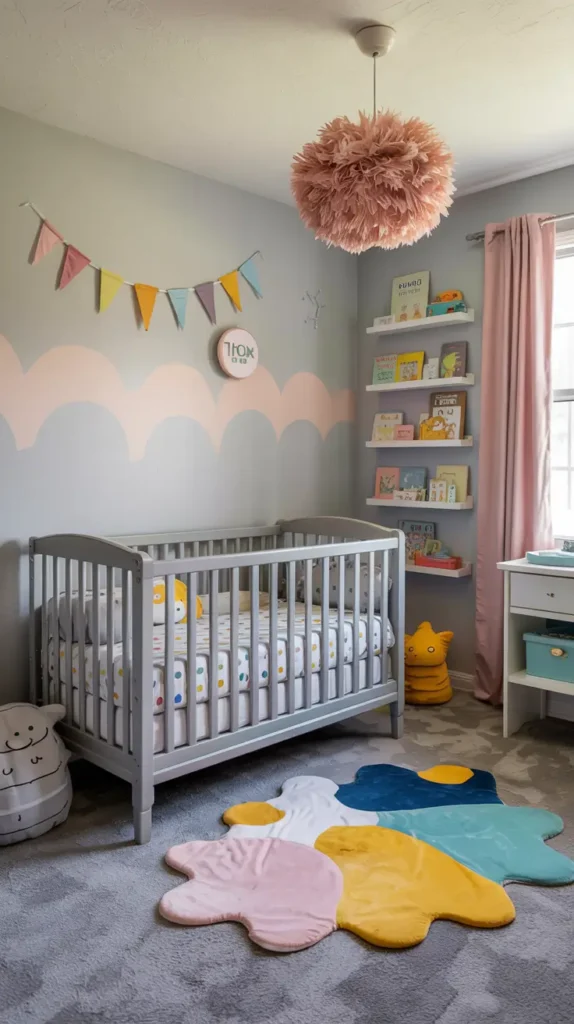
Gray is an incredibly versatile neutral that can create a calm and soothing environment. It’s a color that can easily transition from a nursery to a teen’s room.
A soft, light gray pairs well with almost any accent color, from bright yellows to soft pinks. This allows you to easily change up the room’s decor without having to repaint the walls.
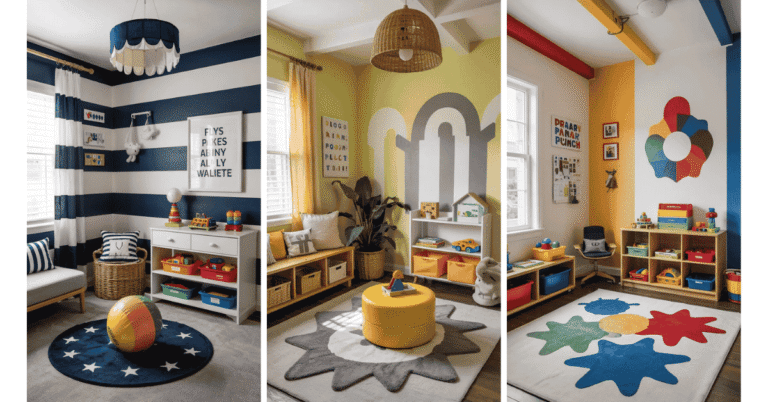
12. Use Contrasting Stripes
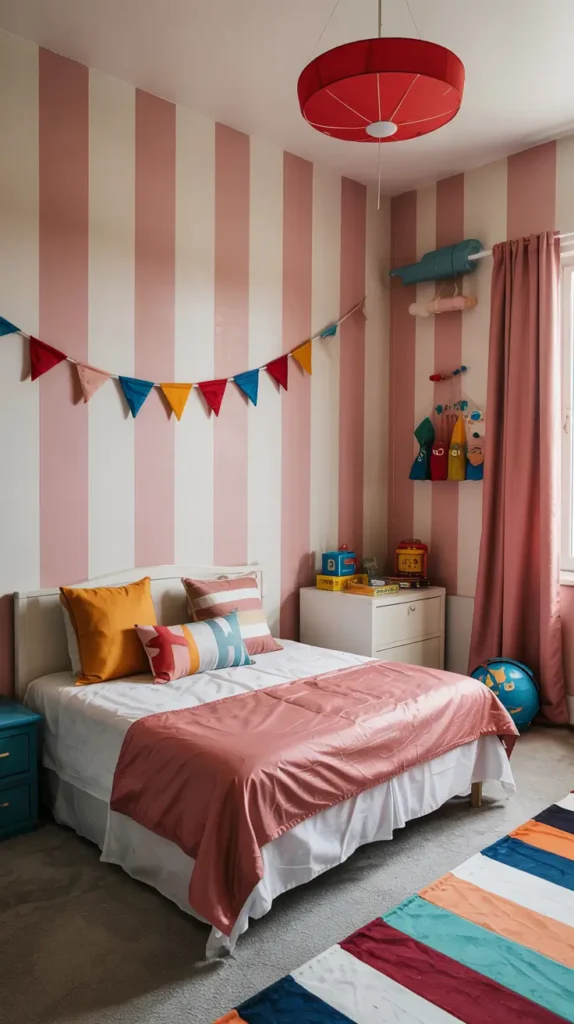
Stripes are a classic pattern that can add a lot of interest to a room. You can go for bold, high-contrast stripes or a more subtle, tone-on-tone look.
Vertical stripes can make a room feel taller, which is a great trick for smaller spaces. This is a versatile idea that can support many different themes, from a circus tent to a chic, modern design.
13. Add Dimension with a Two-Toned Wall
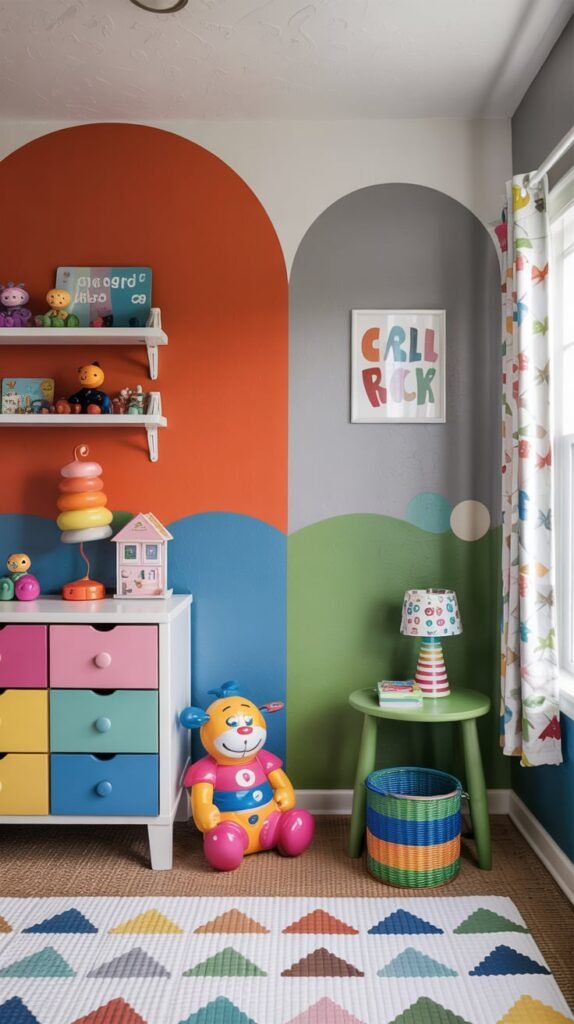
Why settle for one color when you can have two? A two-toned wall, with one color on the bottom half and another on the top, adds architectural interest to a room.
I often pair a bold color with a neutral like white or gray to create a balanced and visually interesting look. This technique can also make a room feel taller and more spacious.
14. Brighten Up with Cheerful Red
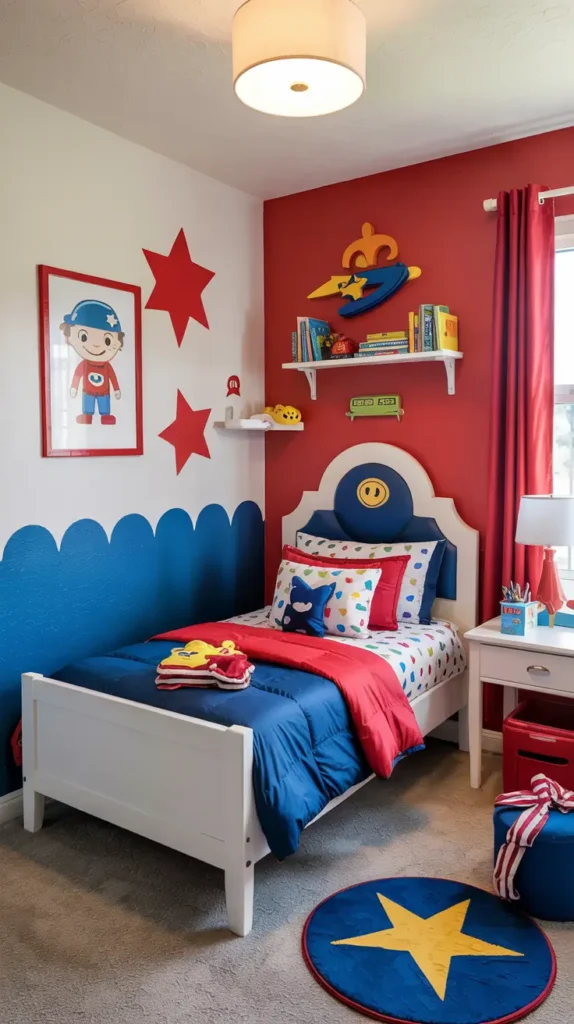
Red is an energetic and vibrant color that can infuse a room with personality. It’s a popular choice for kids’ rooms, especially when used in a nautical or superhero theme.
A red accent wall can make a big impact without overwhelming the space. I like to pair it with classic colors like white and blue for a timeless and cheerful look.
15. Bring in Sunny Yellow
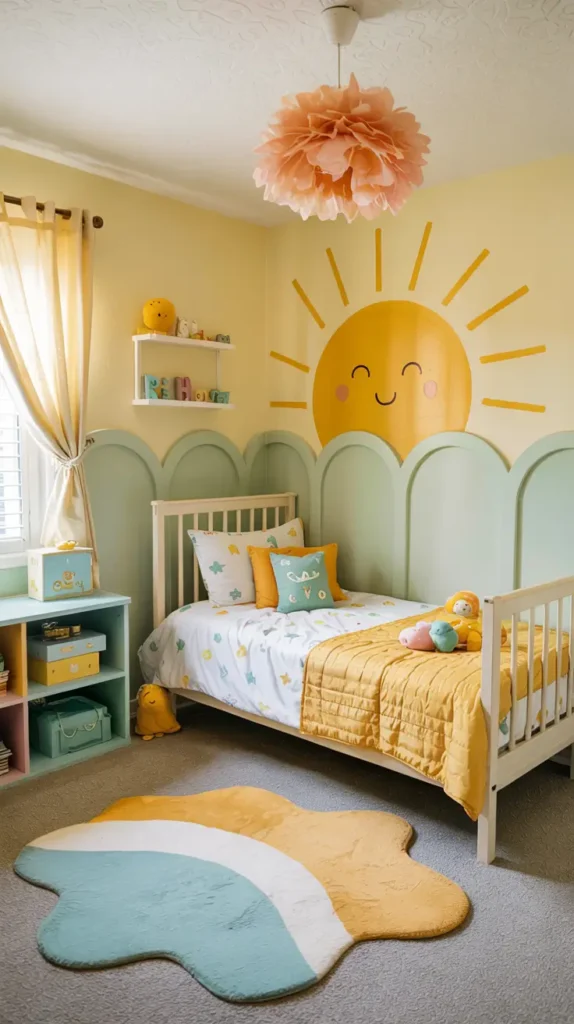
A soft, pale yellow can make a room feel bright, happy, and welcoming. It’s a wonderful pastel color that brings a touch of sunshine indoors.
Yellow pairs well with other pastels like light blue or mint green for a soft, dreamy look. It’s a great choice for creating a cheerful and uplifting space for your child to play and grow.
16. Go Green with Mint
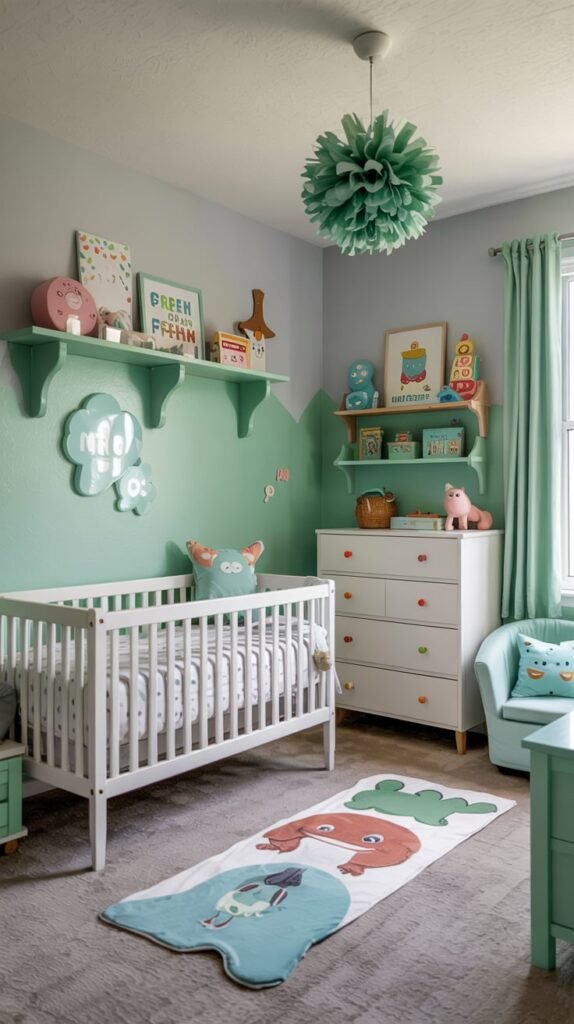
Mint green is a fresh and playful color that feels both modern and timeless. It’s a great gender-neutral option that creates a calm and refreshing atmosphere.
I love how mint green looks with white furniture and natural wood tones. It’s a versatile color that can grow with your child and adapt to different styles and themes.
17. Add Fun with Geometric Lines
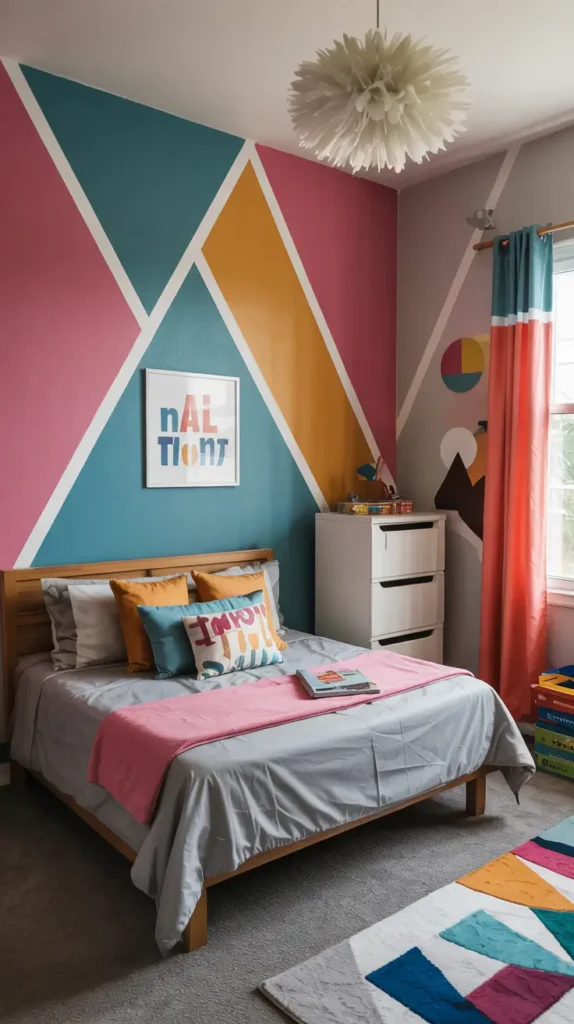
For a modern and dynamic look, I suggest painting geometric shapes on the wall. This is a favorite for tweens who want a room that feels cool and unique.
You can use painter’s tape to create triangles, stripes, or other patterns. Using a mix of bold and neutral colors creates a striking contrast that adds a lot of personality to the space.
Conclusion
Choosing the right paint is the first step in creating a room your child will love for years to come. Whether you go for a bold accent wall or a soft, calming neutral, have fun with the process and let your child’s personality shine through.
If you’re ready to start your project, visit your local paint store to grab some samples and see which colors work best in your space.