How to Get Rid of Gnats in House Plants: A Complete Guide

Those tiny black flies buzzing around your houseplants aren’t just annoying—they’re fungus gnats, and they can seriously damage your green friends if left unchecked. While adult gnats are mostly harmless (though incredibly irritating), their larvae feast on plant roots, organic matter, and fungi in your soil, potentially killing young or vulnerable plants.
The good news? You can eliminate these persistent pests with the right approach. This comprehensive guide will walk you through everything you need to know about identifying, preventing, and eradicating fungus gnats from your indoor garden.
What Are Fungus Gnats?
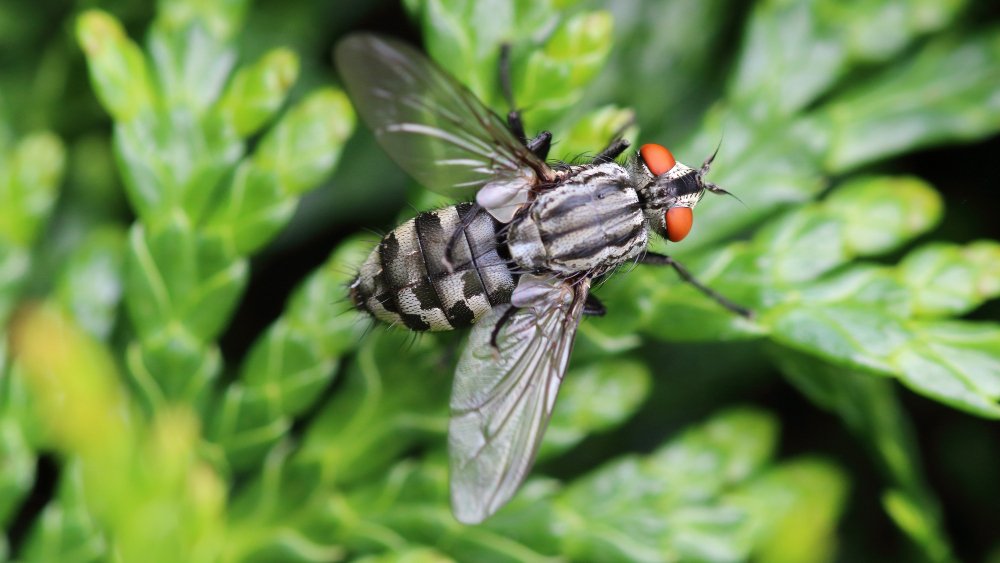
Fungus gnats are small, dark-colored flies that love moist environments. Adult gnats measure about 1/8 inch long, with long legs and a squat body that resembles a tiny mosquito. They’re often mistaken for fruit flies, but unlike their fruit-loving cousins, fungus gnats have zero interest in your kitchen produce.
The real troublemakers are the larvae—translucent white or clear worms about 5mm long with distinctive black heads. These hungry little creatures live in your plant’s soil, munching on decaying organic matter, fungi, algae, and most importantly, your plant’s delicate root system.
Where Do Fungus Gnats Come From?
Fungus gnats typically arrive in one of three ways:
Contaminated potting soil is the most common culprit. Manufacturers don’t sterilize potting mixes because doing so would kill beneficial organisms that help plants thrive. During shipping and storage, even tiny pinholes in bags can allow fungus gnats to enter and lay eggs.
New plants from nurseries or garden centers sometimes come with unwanted hitchhikers already living in their soil.
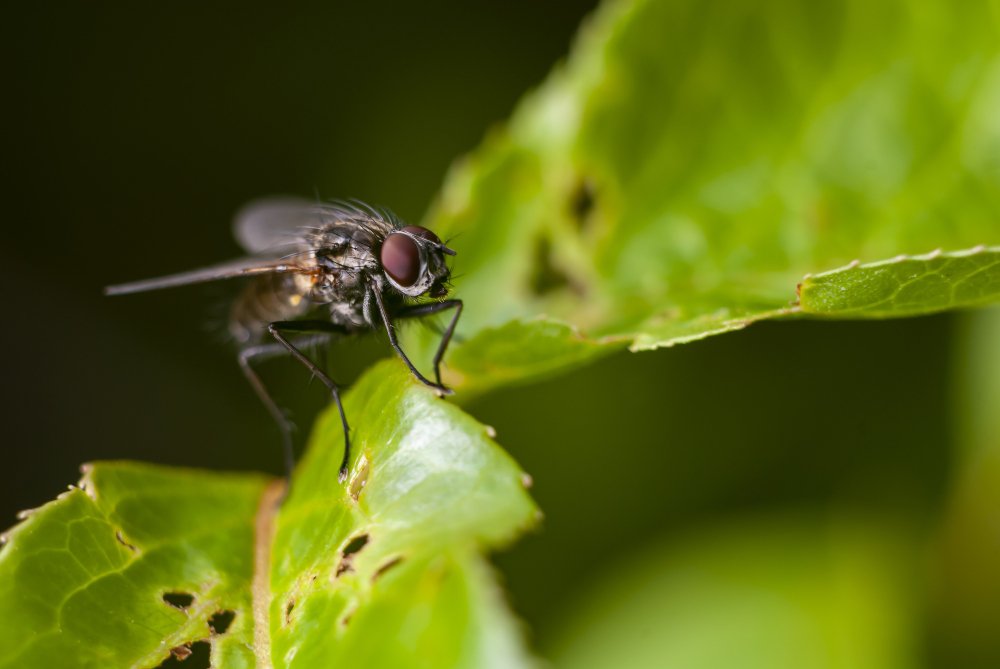
Outdoor sources like open doors, windows, or even hitching a ride on your clothes or pets can introduce gnats to your indoor plants.
Quick Natural Solutions
1. Adjust Your Watering Schedule
Overwatering creates the perfect breeding ground for fungus gnats. These pests thrive in consistently moist soil, so your first line of defense is changing your watering habits.
How to do it: Check soil moisture by sticking your finger about two inches deep into the soil. If it feels dry at that depth, it’s time to water. If not, wait a few more days. Most houseplants prefer to dry out between waterings anyway.
Effectiveness: This method reduces gnat populations but rarely eliminates them completely. It works best as a preventive measure or combined with other treatments.
2. Apple Cider Vinegar Traps
Adult gnats are attracted to the smell of apple cider vinegar, making this an excellent trap for reducing the breeding population.
How to make it:
- Fill a shallow dish with apple cider vinegar
- Add 2-3 drops of dish soap to break surface tension
- Cover with plastic wrap and poke several small holes with a fork
- Place near affected plants
Effectiveness: Vinegar traps work well for catching adult gnats but don’t address larvae in the soil. Use this method alongside other treatments for best results.
3. Potato Slice Test
Raw potato attracts fungus gnat larvae, making it both a diagnostic tool and a minor control method.
How to use it:
- Cut a potato into 1-inch thick slices
- Bury slices just under the soil surface
- Check after 4-8 hours and remove any larvae-covered pieces
- Dispose of infested potato slices immediately
Effectiveness: This method helps you gauge infestation levels and removes some larvae, but it’s not sufficient as a standalone solution.
Professional-Grade Solutions
4. Hydrogen Peroxide Soil Drench
A hydrogen peroxide solution kills larvae and eggs on contact while being safe for plants once it breaks down into oxygen and water.
How to apply:
- Mix 1 part 3% hydrogen peroxide with 4 parts water
- Allow soil surface to dry completely
- Drench the soil with the solution
- Watch for fizzing, which indicates it’s working
- Repeat weekly until gnats are gone
Effectiveness: Highly effective against larvae. The peroxide kills on contact and breaks down quickly, leaving no harmful residues.
5. Mosquito Bits (BTI Treatment)
Bacillus thuringiensis israelensis (BTI) is a naturally occurring bacteria that’s lethal to fungus gnat larvae but harmless to plants, pets, and beneficial insects.
How to use:
- Steep 4 tablespoons of mosquito bits in 1 gallon of water for 30 minutes
- Strain out the bits
- Use the treated water for regular watering
- Repeat with every watering for 3-4 weeks
Effectiveness: This is one of the most effective long-term solutions. BTI specifically targets fly larvae, disrupting their life cycle and providing lasting control.
6. Food-Grade Diatomaceous Earth
Diatomaceous earth consists of microscopic fossilized organisms that create tiny cuts in soft-bodied insects, causing them to dehydrate and die.
How to apply:
- Sprinkle a thin layer over the soil surface
- Wear a dust mask during application
- Reapply after watering as needed
- Keep dry for maximum effectiveness
Effectiveness: Very effective against both adults and larvae, but can be messy and requires reapplication after watering.
Integrated Pest Management Approach
For severe infestations, combine multiple methods for maximum effectiveness:
Week 1-2: Intensive Treatment
- Set up vinegar traps around all plants
- Apply BTI-treated water to all potentially affected plants
- Let soil dry thoroughly between waterings
- Use yellow sticky traps to monitor adult populations
Week 3-4: Maintenance
- Continue BTI treatments with every watering
- Replace vinegar traps as needed
- Monitor with potato slices to check for remaining larvae
- Maintain proper watering schedule
Prevention is Key
Choose quality potting soil from reputable brands and consider sterilizing new soil by baking it at 200°F for 30 minutes before use.
Quarantine new plants for at least two weeks before introducing them to your plant collection.
Improve drainage by adding perlite or coarse sand to potting mixes that retain too much moisture.
Clean up debris like fallen leaves or organic matter on soil surfaces that provide food for larvae.
Use yellow sticky traps as an early warning system to catch problems before they become infestations.
When to Call in Reinforcements
If natural methods aren’t providing adequate control after 4-6 weeks, consider these stronger options:
- Beneficial nematodes (Steinernema feltiae) are microscopic worms that hunt gnat larvae
- Professional systemic insecticides labeled for houseplant use
- Complete soil replacement for severely infested plants (as a last resort)
Your Path to Gnat-Free Growing
Dealing with fungus gnats requires patience and persistence, but the right combination of treatments will eliminate them completely. Start with adjusting your watering habits and setting up vinegar traps, then escalate to BTI treatments if needed. Most infestations resolve within 4-6 weeks with consistent treatment.
Remember, prevention is always easier than treatment. Maintain proper watering practices, quarantine new plants, and keep monitoring tools like sticky traps in place to catch future problems early. With these strategies in your toolkit, you can enjoy your indoor garden without unwanted flying guests buzzing around your face.